


News
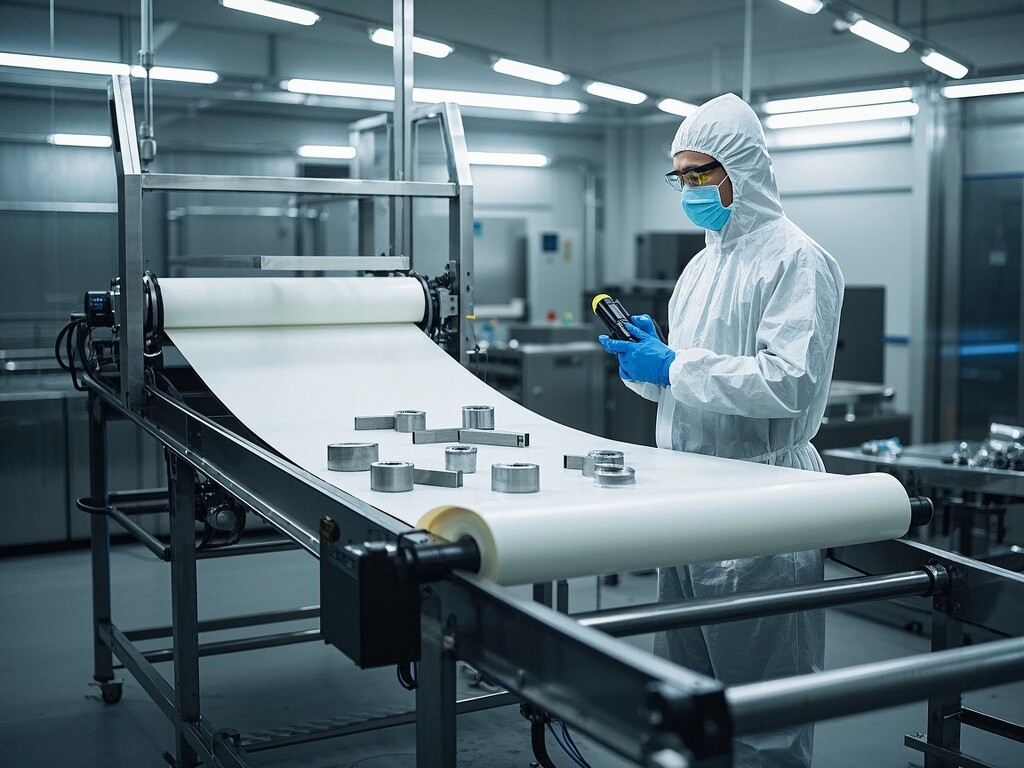
As manufacturing evolves, high-performance industrial composites like PTFE-Teflon conveyor belts, PTFE-Teflon fabrics, and silicone-coated textiles are revolutionizing production lines. These advanced materials offer unparalleled heat resistance, corrosion protection, and durability - critical factors for modern industrial applications. This article explores whether these innovative plastic materials represent the future of manufacturing, examining their technical advantages for engineers, operators, and material specialists evaluating next-gen solutions.
1. Defining High-Performance Industrial Composites
High-performance industrial composites refer to engineered materials combining polymers like PTFE (Polytetrafluoroethylene) or silicone with reinforcing fabrics to achieve superior mechanical and chemical properties. PTFE-Teflon fabrics, for instance, integrate glass fiber meshes with non-stick Teflon coatings, creating surfaces that withstand temperatures up to 260°C while resisting acids, alkalis, and organic solvents. Similarly, silicone-coated textiles merge fiberglass or polyester bases with food-grade silicone layers, offering flexibility alongside extreme temperature stability (-70°C to 300°C). These materials outperform traditional metals and rubbers in weight reduction (up to 60% lighter), maintenance costs (50-70% less downtime), and lifespan (3-5x longer in abrasive environments). Case studies from automotive paint shops demonstrate how PTFE conveyor belts reduced energy consumption by 25% compared to metal alternatives due to their low friction coefficients (μ=0.04-0.1).
2. Technical Advantages for Critical Applications
What makes PTFE-Teflon fabrics and silicone-coated textiles indispensable in sectors like food processing, aerospace, and chemical manufacturing? Their technical specifications reveal why:
- Thermal Stability: PTFE maintains tensile strength at 260°C (500°F), while silicone fabrics resist thermal cycling without embrittlement
- Chemical Resistance: Both materials meet FDA and EU 10/2011 standards for food contact, with PTFE resisting 98% sulfuric acid and silicone handling bleaching agents
- Non-Stick Properties: Surface energy as low as 18 dynes/cm prevents material buildup on conveyor belts, reducing cleaning frequency
3. Cost-Benefit Analysis vs Traditional Materials
While PTFE-Teflon fabrics command higher upfront costs, their total ownership economics prove compelling. A chemical plant replacing 200m of stainless steel ducting with PTFE-lined systems reported $280,000 annual savings from eliminated corrosion repairs and reduced weight-support structures. For operators, the non-stick nature of these high-performance plastic materials cuts product loss by 0.5-1.5% - translating to $75,000+ yearly savings in high-value powder processing lines.
4. Implementation Considerations for Engineers
Successful integration of PTFE conveyor belts or silicone-coated fabrics requires addressing three operational factors:
- Jointing Methods: PTFE belts demand specialized welding at 370°C±5°C to prevent delamination, while silicone fabrics use FDA-approved adhesives
- Tracking Systems: Composite belts need crowned pulleys (1.5-2% crown) and tension within 1-1.5% of belt width to prevent lateral drift
- Cleaning Protocols: Avoid alkaline cleaners above pH 9 for silicone; PTFE withstands most industrial cleaners but requires thorough rinsing
5. Future Trends and Industry Adoption
The global industrial composites market will grow at 6.8% CAGR through 2028 (Grand View Research), driven by:
- Automotive electrification requiring lightweight, non-conductive battery assembly materials
- Industry 4.0 adoption of self-lubricating composites for automated conveyor systems
- Circular economy initiatives favoring PTFE's 30-year lifespan over disposable alternatives
Why Choose Our High-Performance Composites?
With 15+ years specializing in industrial textiles, we engineer PTFE-Teflon and silicone-coated fabrics that outperform industry benchmarks:
- Custom formulations achieving 400°C intermittent resistance (50°C above standard grades)
- On-site welding teams reducing installation downtime by 40%
- Material traceability with batch-specific test reports (ISO 9001:2015 certified)
Send Your Inquiry
We welcome your cooperation and we will develop with you.