


News
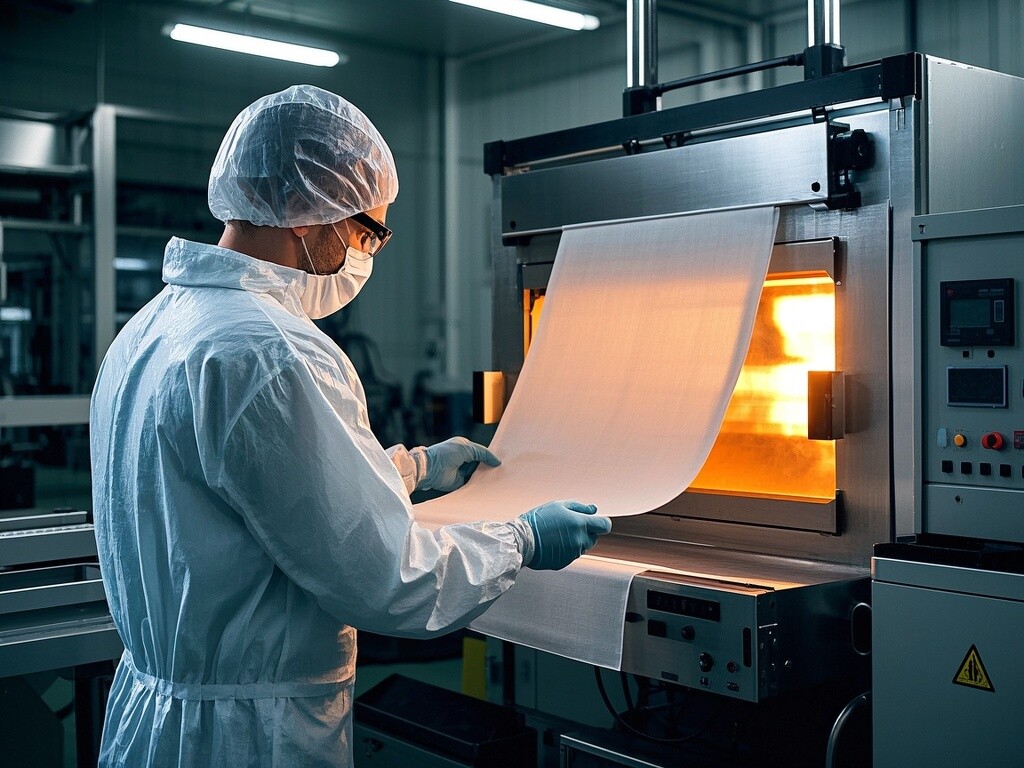
In demanding industrial environments where extreme temperatures, corrosive chemicals, and harsh conditions prevail, silicone coated fabrics emerge as a superior solution. These high-performance industrial composites combine durability with versatility, outperforming traditional materials like PTFE-coated fabrics (Teflon conveyor belts) in many applications. Whether you're a technician evaluating materials, an operator seeking reliable performance, or a researcher exploring advanced plastic materials, understanding the top 5 benefits of silicone coated fabrics can transform your operational efficiency and safety standards.
1. Unmatched Temperature Resistance for Industrial Applications
Silicone coated fabrics excel in environments where extreme temperatures are a constant challenge. Unlike standard PTFE-Teflon conveyor belts that typically withstand -70°C to 260°C, silicone coated variants maintain structural integrity from -100°C to 300°C, making them ideal for aerospace, foundry, and glass manufacturing applications. The molecular structure of silicone polymers contains strong silicon-oxygen bonds that resist thermal degradation, while the fabric substrate provides dimensional stability. This combination creates a high-performance industrial composite material that won't become brittle in cryogenic conditions or soften in intense heat, ensuring reliable operation in furnace door seals, welding blankets, and thermal insulation systems where safety is paramount.
2. Superior Chemical Resistance Against Corrosive Substances
When compared to PTFE-Teflon fabrics, silicone coated textiles demonstrate broader compatibility with industrial chemicals while maintaining better mechanical properties. Laboratory tests show silicone coatings resist oxidation, ozone, UV radiation, and many acids/alkalis that degrade other materials. In chemical processing plants, these fabrics serve as protective covers for equipment handling sulfuric acid (up to 50% concentration), sodium hydroxide solutions, and organic solvents. The closed-cell structure of premium silicone coatings prevents liquid penetration while allowing easy cleaning—critical for food processing belts or pharmaceutical manufacturing where contamination control matters. Technical evaluators should note that silicone outperforms PTFE in resistance to polar solvents like alcohols and ketones, though pure PTFE remains superior for highly aggressive fluorinated chemicals.
3. Enhanced Mechanical Durability and Operational Lifespan
The unique elastomeric properties of silicone coatings provide exceptional tear strength (often exceeding 50 N/mm) and flexural endurance that rigid PTFE-Teflon fabrics cannot match. This translates to longer service life in dynamic applications like conveyor belts for abrasive materials or expansion joints subjected to constant movement. Field studies in mining operations revealed silicone-coated conveyor belts lasting 3-5 years versus 1-2 years for standard PTFE versions when transporting sharp-edged ores. The material's inherent flexibility also reduces cracking at fold points—a common failure mode in rigid high-performance plastic materials. Operators will appreciate how silicone's natural tackiness improves grip on inclined conveyors without compromising release properties for sticky substances like melted cheese or uncured rubber compounds.
4. Customizable Surface Properties for Specific Applications
Unlike the fixed non-stick characteristics of PTFE-Teflon fabrics, silicone coatings can be engineered with tailored surface energies ranging from 20-30 mN/m for easy-release applications to 40-50 mN/m for improved adhesion. This versatility allows manufacturers to optimize silicone coated fabrics for diverse roles—from non-stick baking sheets to adhesive-friendly reinforcement layers in composite manufacturing. Advanced formulations incorporate additives like ceramic microspheres for enhanced abrasion resistance or conductive carbon for static dissipation in electronics handling. Technical teams can specify fabric weights (from 200-2000 g/m²), coating thicknesses (0.1-2 mm), and reinforcement styles (woven, knitted, or non-woven) to meet exact performance requirements in industries ranging from automotive to renewable energy.
5. Cost-Effectiveness and Maintenance Advantages
While initial costs for silicone coated fabrics may slightly exceed standard PTFE-Teflon options, lifecycle cost analyses consistently favor silicone due to reduced downtime and maintenance expenses. The material's self-cleaning surface minimizes product buildup on conveyor belts, decreasing cleaning frequency by 30-60% in food processing plants. Unlike PTFE that requires specialized welding for repairs, silicone fabrics accept room-temperature vulcanizing (RTV) adhesives for quick field fixes. Energy savings also accrue from silicone's lower thermal conductivity (0.2 W/mK vs PTFE's 0.25 W/mK) in insulation applications. Procurement specialists should evaluate total cost of ownership including replacement labor, production losses during maintenance, and compliance with evolving safety standards like FDA 21 CFR 177.2600 for food contact or UL 94 V-0 for flammability.
Technical Comparison: Silicone vs. PTFE-Teflon Coated Fabrics
Industry Applications and Case Studies
The aerospace sector utilizes silicone coated glass fabrics for thermal protection systems in spacecraft re-entry vehicles, where materials must withstand 1,200°C thermal shocks while maintaining flexibility. A prominent European aircraft manufacturer reported 40% weight reduction using silicone-coated aramid fabrics versus traditional metal heat shields. In food processing, a Fortune 500 snack producer eliminated conveyor belt-related contamination incidents by switching from PTFE to FDA-compliant silicone belts with antimicrobial additives—achieving 18-month ROI through reduced product recalls. Renewable energy applications include silicone-coated fiberglass membranes in solar panel encapsulation, where UV stability and -40°C cold temperature performance are critical for 25-year warranties.
Future Trends and Material Innovations
Emerging developments in silicone coated fabrics include graphene-enhanced formulations that improve thermal conductivity by 300% for heat exchanger applications, while maintaining chemical inertness. The industry is also adopting REACH-compliant, platinum-cured silicones that eliminate peroxide byproducts for sensitive electronics manufacturing. Market analysts project 6.8% CAGR for high-performance industrial composites through 2030, driven by electrification trends requiring new dielectric materials for battery production and EV components. Environmental regulations are accelerating research into recyclable silicone chemistries that maintain performance while meeting circular economy mandates—a key consideration for technical evaluators planning long-term capital investments.
Why Choose Our Silicone Coated Fabric Solutions?
With 30 years of expertise in engineered textiles, we manufacture custom silicone coated fabrics that outperform industry standards in tear strength (tested to ASTM D751), flame resistance (certified to NFPA 701), and chemical compatibility. Our in-house R&D team collaborates with clients to develop application-specific solutions—whether you need FDA-compliant belts for food processing or ultra-cleanroom grades for semiconductor handling. All materials undergo rigorous quality control with batch-level documentation including material traceability and compliance certificates. Contact our technical specialists today for personalized recommendations on optimizing your operations with high-performance silicone coated fabrics.
Send Your Inquiry
We welcome your cooperation and we will develop with you.