

News
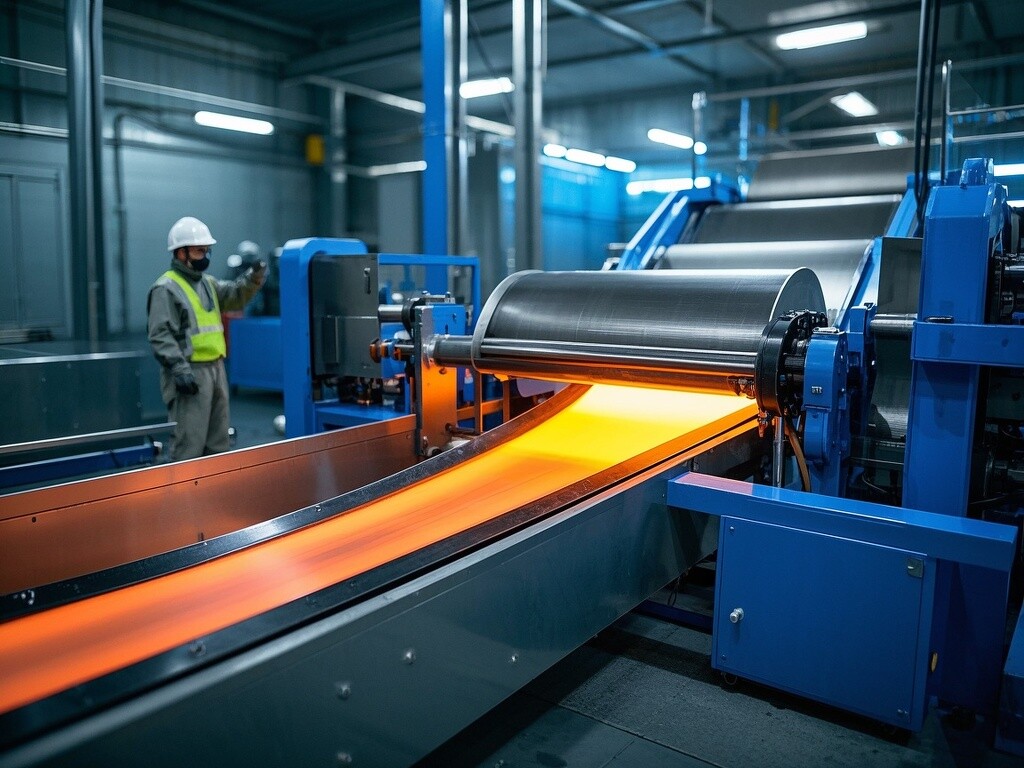
In demanding industrial environments, PTFE-Teflon conveyor belts are revolutionizing material handling with superior performance. These high-performance industrial composites outperform traditional options with exceptional heat resistance (up to 260°C), chemical inertness, and non-stick properties. Engineered with PTFE-Teflon fabrics and silicone-coated fabrics, these belts offer unmatched durability for extreme conditions. Discover why technical evaluators and operators are switching to these advanced plastic materials for reliable, long-term solutions in harsh applications.
1. Defining PTFE-Teflon Conveyor Belts: The Science Behind Superiority
PTFE (Polytetrafluoroethylene), commonly known as Teflon®, is a fluoropolymer renowned for its non-reactive molecular structure. When woven into industrial fabrics or coated onto fiberglass substrates, it creates conveyor belts with unique properties. Unlike traditional rubber or PVC belts, PTFE-Teflon fabrics exhibit near-zero friction coefficients (as low as 0.05) and maintain dimensional stability even under continuous thermal cycling. The material's carbon-fluorine bonds provide inherent resistance to acids, alkalis, and solvents—meeting ASTM D543 standards for chemical compatibility. For industries requiring FDA/USDA compliance (e.g., food processing), PTFE-Teflon belts with silicone-coated variants offer additional certifications like NSF/3-A Sanitary Standards.
2. Application Scenarios: Where PTFE Belts Excel
From automotive paint shops to pharmaceutical drying lines, PTFE-Teflon conveyor belts solve critical challenges:
- High-Temperature Environments: Glass tempering lines (operating at 250°C+) rely on PTFE's melting point of 327°C, far exceeding rubber's 150°C limit.
- Chemical Processing: In battery manufacturing, PTFE belts resist sulfuric acid exposure where nylon belts degrade within weeks.
- Non-Stick Requirements: Adhesive tape production utilizes PTFE's release properties, reducing downtime for belt cleaning by 70% compared to PU belts.
A case study from a German packaging plant showed PTFE-Teflon belts lasting 3.5 years in wax coating applications, versus 8 months for traditional polyester belts—demonstrating ROI through reduced replacement costs.
3. Technical Comparison: PTFE vs. Traditional Materials
4. Procurement Guide: Key Selection Criteria
For technical evaluators specifying PTFE-Teflon conveyor belts, consider:
- Fabric Construction: Woven fiberglass with PTFE coating (e.g., Style 18 for heavy loads) vs. pure PTFE fabrics for flexibility.
- Surface Treatments: Silicone-coated fabrics enhance release properties for sticky materials like chewing gum bases.
- Edge Sealing: PTFE-impregnated edges prevent delamination in wet environments per ISO 340 standards.
- Customization: Look for suppliers offering laser-cut perforations or FDA-compliant colors for traceability.
5. Debunking Myths About PTFE Belts
Myth: "PTFE belts are prohibitively expensive." Reality: While initial costs are 2-3x higher than rubber, total cost of ownership (TCO) calculations accounting for maintenance, energy savings (lower friction = reduced motor loads), and lifespan show 40-60% savings over 5 years. A textile dyeing plant in Italy reported €28,000/year savings after switching from PVC to PTFE-Teflon belts.
6. Industry Trends: The Future of High-Performance Conveyor Solutions
The global PTFE conveyor belt market (valued at $1.2B in 2023) is growing at 6.8% CAGR, driven by:
- Electrification demands in EV battery production requiring chemical-resistant belts
- Smart factory integrations with PTFE belts embedding RFID tags for predictive maintenance
- Sustainability initiatives favoring PTFE's recyclability over disposable rubber belts
Why Choose Our PTFE-Teflon Conveyor Solutions?
With 15 years of expertise in high-performance industrial composites, we engineer PTFE-Teflon fabrics tailored to your operational extremes. Our belts undergo rigorous testing per DIN 53516 and ISO 4649 standards, backed by a 24-month performance guarantee. Contact our material specialists today for a free application analysis and sample testing program.
Send Your Inquiry
We welcome your cooperation and we will develop with you.